Do you know you should only Roll Forward?
Loading last updated info...
In the Face of Armageddon - When there's a major error during deployment or a catastrophic fault happens, what is your first instinct? Is it to hit that Roll Back button?
It feels like reverting back to the previous stable version is the safest and quickest way to restore functionality.
However, rolling back can have several negative consequences, making it crucial to consider the drawbacks:
- Negation of new features and improvements
- Cycle of constant reversion
- Resource-intensive and disruptive
- Causes downtime and requires manual intervention
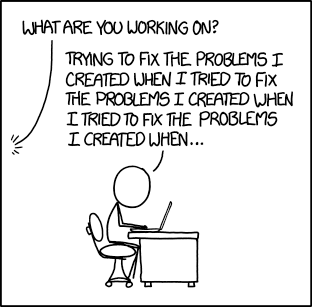
From setback to comeback
To support making decisions, developers should set up robust monitoring systems. Effective monitoring ensures accurate and prompt issue identification, aiding informed decision-making.
This is particularly important when it comes making the decision to Roll Forward.
Here are the reasons why you should Roll Forward:
- Continuous Improvement - Rolling forward allows for incremental improvements, ensuring that any issues are promptly addressed without hindering overall progress
- Minimized Downtime - By fixing issues on the go rather than reverting to previous versions, Rolling Forward reduces system downtime and minimizes disruptions to business operations
- Data Integrity - Changes that minimally impact user data or schema allow for seamless updates without risking data integrity. Rolling Forward ensures that data remains intact and consistent
- Customer Confidence - Demonstrating a commitment to Rolling Forward and resolving issues promptly can build customer confidence and trust in your ability to deliver reliable and up-to-date solutions
By prioritizing rolling forward, you embrace a proactive approach that promotes resilience, agility, and continuous delivery.
Prevention is better than cure
To keep your deployments stress free, do the following:
If issues occur, rolling forward with targeted fixes is the best way to maintain progress and stability.