You can have the best developers in the world, but if you haven't got a good sales process, no-one will ever use them. It's up to the Sales Manager to get this right.
Once you've got the sale, check out Rules to Better Account Management.
Any opportunity that has not yet been converted to a sale will be at one of the following 6 stages:
When users fill out a form to make an appointment or download an ebook, it's common for businesses to collect basic contact details. Unfortunately, many forms neglect to ask for a phone number, or if they do, they don't make it a required field. This oversight can lead to missed opportunities for follow-up and converting a lead into a customer.
By collecting phone numbers and following up with a phone call, you can significantly increase your chances of converting online leads into customers. Make sure your forms are designed to gather all necessary contact information, and prioritize personal, immediate follow-ups to build trust and engagement with your prospects.
With the amount of money companies spend on marketing these days, it's vital that, when you receive a phone call enquiring about your services, you know how to handle it.
Not all clients are created equal, and sometimes it's a good idea to do a quick risk assessment before commencing work.
If a new client calls up in a rush and you've never heard of them, what steps do you take before jumping straight into billable work?
It’s important to have clear options for how a client can engage your services.
You need to be clear on any differences between them in both billing and project management:
Unless you're the <1% of companies who competes based purely on price, you will need to be able to explain why your services are more expensive than 1 or more of your competitors.
In the bespoke software space, this is easy, as your clients are not buying something generic, and quality matters. Here's how we do it:
Be prepared for the initial meeting because first impressions are the most important. Preparation cements your professionalism and underscores your eye for detail and capacity to deliver.
The initial meeting with a prospect often starts as an impersonal interaction—a web inquiry or a phone call. These methods lack the tangible connection of a physical presence. Inviting the prospect to your office for a face-to-face meeting changes everything. Sitting in the boardroom, sharing a coffee, and looking across the table humanizes the interaction and brings your company to life. This is the foundation for building trust and a lasting relationship.
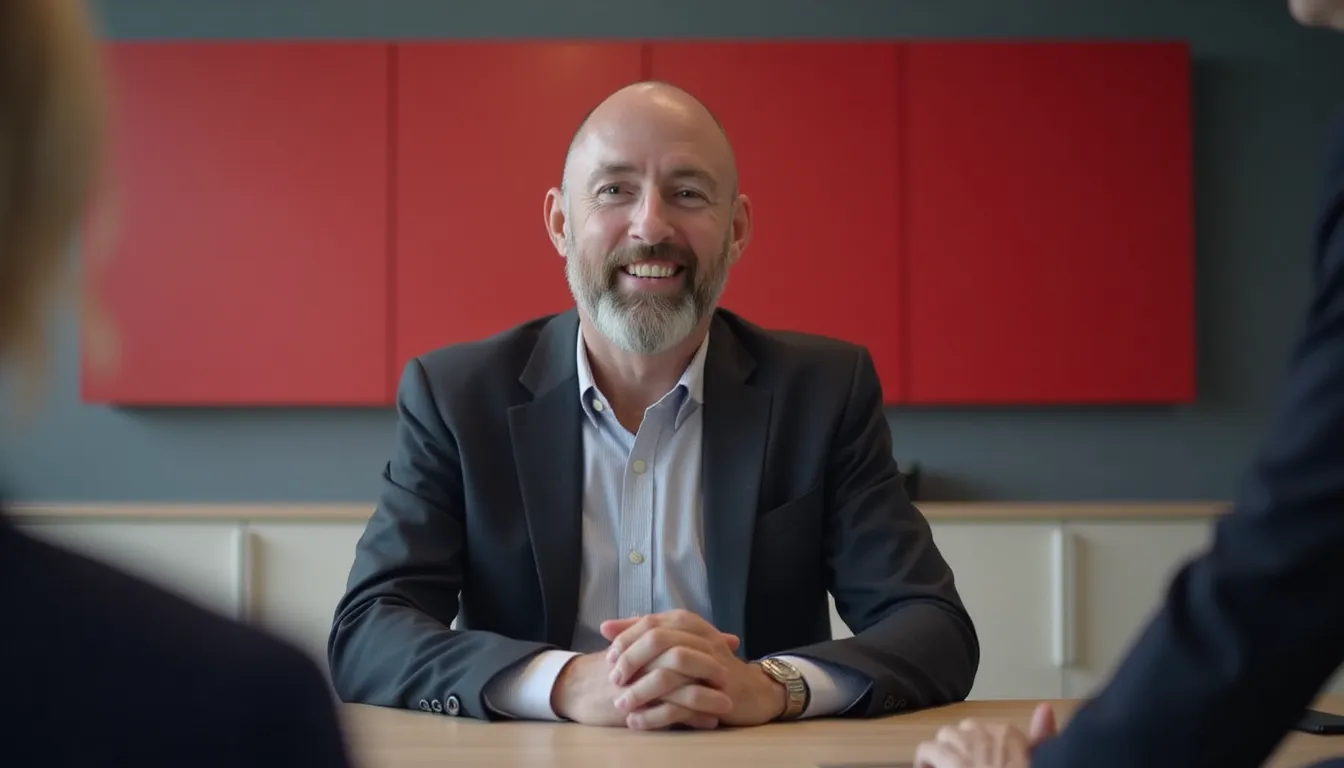
Figure: It is important to greet people with a warm smile in a professional setting at your office
The first meeting is on you. While you have 1 - 2 hours to provide the prospective client with enough information to decide whether to pursue a Spec Review, the focus of the initial meeting is the client, their problem, and how you might build a solution.
The best way to action this is to ask questions, listen and take notes: Clients appreciate someone genuinely considering their needs. A Brainstorming session is a fantastic way to give and receive feedback immediately. Even if the client decides not to use you, you should provide them with useful information and a positive impression.
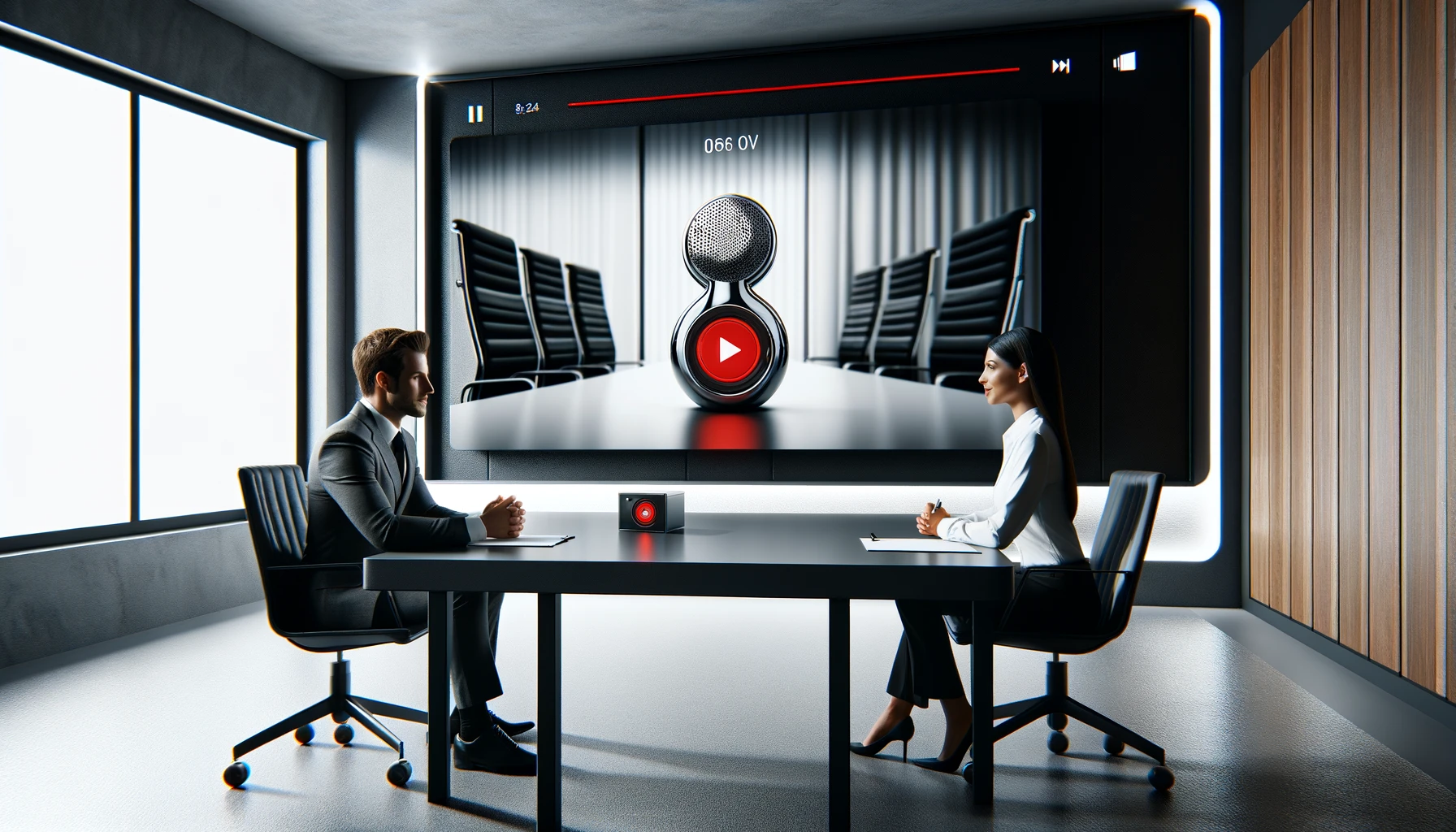
Figure: Using recordings to refine sales tactics
Recording sales meetings can be a game-changer for improving team performance and customer relations. It provides a valuable resource for training, review, and ensuring that all commitments made during the meeting are followed through.
There is always something we can learn from our interactions with clients. Initial meetings are a great opportunity to learn how we can fine tune our sales skills. Because there are always 2 SSW representatives in initial meetings with clients (usually an account manager and a developer) you should hold a debrief after the meeting on the way back to the office.
You've recently had an engaging initial meeting with a prospective client. While you have plans to follow up for a potential sale, you recognize the importance of keeping the relationship warm and showing genuine interest in their project in the interim.
Generally speaking, the more time that passes after an initial meeting, the less likely the Spec Review is to be booked, as momentum falls and the client's enthusiasm for the project wanes.
In the process of scheduling a Spec Review, it's not uncommon to encounter a slight delay as we strive to find a mutually convenient time for both parties. Consequently, substantial intervals may transpire between our initial conversation and the actual Spec Review taking place.
This temporal gap can potentially result in a misalignment with the client, where they might perceive the Spec Review as still pending. So, it's important to find ways to stay on the same page and make sure the Spec Review goes smoothly.
Effective communication with your clients on Microsoft Teams builds credibility, trust and ensures they receive the deserved attention.

Figure: Keeping Teams at the centre of client communication
It is quite common for a company to do a Specification Review, and then take the resulting estimates back to the business, and spend a long time getting other quotes or weighing up their options.
Giving fixed features and a fixed delivery date is very hard. Giving a fixed price is hard too... this is because of the 'Cone of Uncertainty'.
The basic reason is...
Before you engage in any billable work, the two parties must enter into a binding written contract. This ensures contractual obligations are clear on both sides, mitigating the potential for disagreements down the line and protecting both you and the client in the event of a disagreement. Binding contracts can take the form of Terms and Conditions, Emails and Instant Messenger or even verbal agreements.
Often clients will see a multi-page T&C document with a box at the end that says sign here, and they will think that is the only important page and so sign it and send it back. However this can be a problem when you've got to provide evidence as to the content of the whole document they signed. To fix this issue, you can get them to re-send you through the entire document, but sometimes you don’t want to rock the boat. Here is another solution:
When a prospective client gets a quote for a huge price it's like giving them a slap in the face. Break your proposals into a series of releases, where each is 1 or more Sprints, and clients can choose to proceed with a smaller financial commitment (such as just getting the mock-ups done) than if they were committing to the whole project. Often, small financial commitments will lead to bigger ones.
per page
1 - 20 of 47 itemsper page
1 - 20 of 47 items